Beijing WanJinLong Color-Coated Steel Products Co., Ltd.

20 years focus on Container houses!
Excellent Quality & 7x24 hours Aftersales Service
Tel & WhatsApp:+8617611653912
Beijing WanJinLong Color-Coated Steel Products Co., Ltd.
20 years focus on Container houses!
Excellent Quality & 7x24 hours Aftersales Service

Prefab Homes
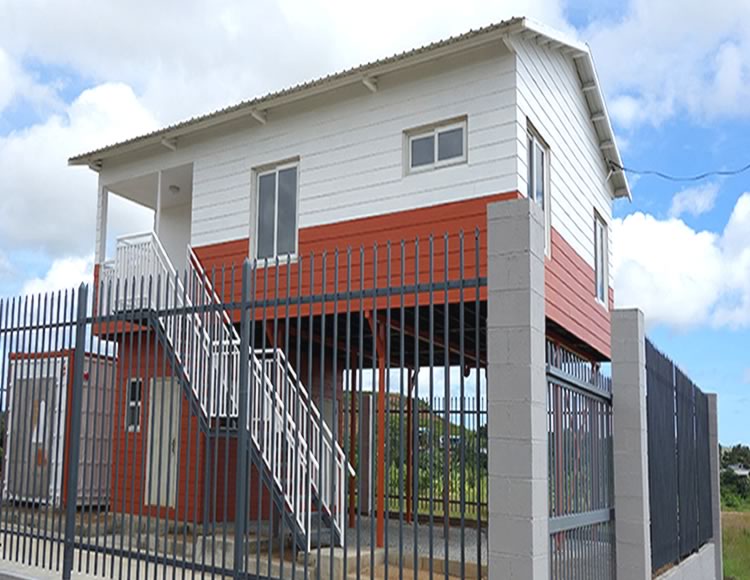
Prefabricated homes represent a paradigm shift from conventional brick-and-mortar building methods through industrialized manufacturing and assembly-based installation.Defining Characteristics:Standar...
Tel & WhatsApp:+8617611653912
Product Details
Prefabricated homes represent a paradigm shift from conventional brick-and-mortar building methods through industrialized manufacturing and assembly-based installation.
Defining Characteristics:
- Standardized Production: Structural modules (walls, floors, roofs) are precision-engineered in climate-controlled factories using CAD/CAM systems, contrasting with on-site bricklaying and wet trades.
- Integrated Systems: Mechanical, electrical, and plumbing (MEP) systems are pre-installed within modules, eliminating field coordination errors common in masonry work.
- Dry-Assembly Process: Components are transported and assembled via bolted connections, replacing mortar-dependent construction.
Key Advantages:
- Accelerated Project Timelines
Factory fabrication occurs concurrently with site preparation, reducing total construction time by 40-60%. Weather-related delays – a critical vulnerability in bricklaying – are minimized.
- Enhanced Quality Assurance
Factory tolerances achieve ±2mm precision versus ±10mm in traditional masonry. Automated processes eliminate craftsmanship variability, ensuring consistent thermal/envelope performance.
- Cost Predictability
Material waste is reduced by 15-30% through optimized cutting and inventory control. Labor costs decrease by 25-40% due to reduced skilled trades dependency and shorter schedules.
- Superior Sustainability
Embodied Carbon: Up to 45% reduction through efficient material usage and reduced cement consumption
Site Waste: 70-90% less construction debris versus brick-and-mortar sites
Energy Performance: Continuous insulation in structural panels achieves R-30+ ratings, exceeding typical cavity wall construction
- Structural Resilience
Steel-framed modules with composite panels demonstrate higher seismic resistance and moisture resilience than load-bearing brick walls prone to cracking and efflorescence.
- Labor Optimization
Reduces demand for scarce skilled masons by 60%, with assembly crews requiring 50% fewer personnel than traditional sites.
Economic Value:
Prefabrication transforms capital-intensive brick-and-mortar projects into manufacturing supply chains with predictable outcomes. Lifecycle cost analyses show 12-18% savings over 30 years due to reduced maintenance and energy consumption. Third-party certifications (ISO 9001, BREAM) validate consistent compliance with building codes – a significant advantage over regionally variable masonry standards.
Previous: Modular prefab homes
Related Articles